
Where we work
Your building decides half the job
Flooring Masters works across Queens, from Astoria and Long Island City out to Bayside, Jamaica and the Rockaways. What happens on a job depends less on the neighbourhood than on the kind of building it is in, and this page is about that difference.
All of Queens, in three kinds of building
We cover the whole borough. Astoria, Long Island City, Sunnyside, Woodside, Jackson Heights, Elmhurst and Corona in the west. Forest Hills, Rego Park, Kew Gardens, Kew Gardens Hills, Briarwood, Fresh Meadows, Ridgewood, Glendale, Middle Village and Maspeth through the middle. Flushing, Bayside, Whitestone, Douglaston, Little Neck, Jamaica, Queens Village, Bellerose, Hollis, St. Albans, Cambria Heights, Laurelton and Springfield Gardens to the east. Richmond Hill, Woodhaven, Ozone Park, Howard Beach, Broad Channel and the Rockaways to the south.
That is a long list, and on its own it tells you nothing useful. Queens is the most varied borough in the city for housing, and for a floor job the useful question is not which neighbourhood you are in. It is what your building is made of and who has to say yes.
There are three answers, and almost every job here is one of them.
The three cases
Which one you are in changes the timeline, the paperwork and often the recommendation itself.
A house or row house
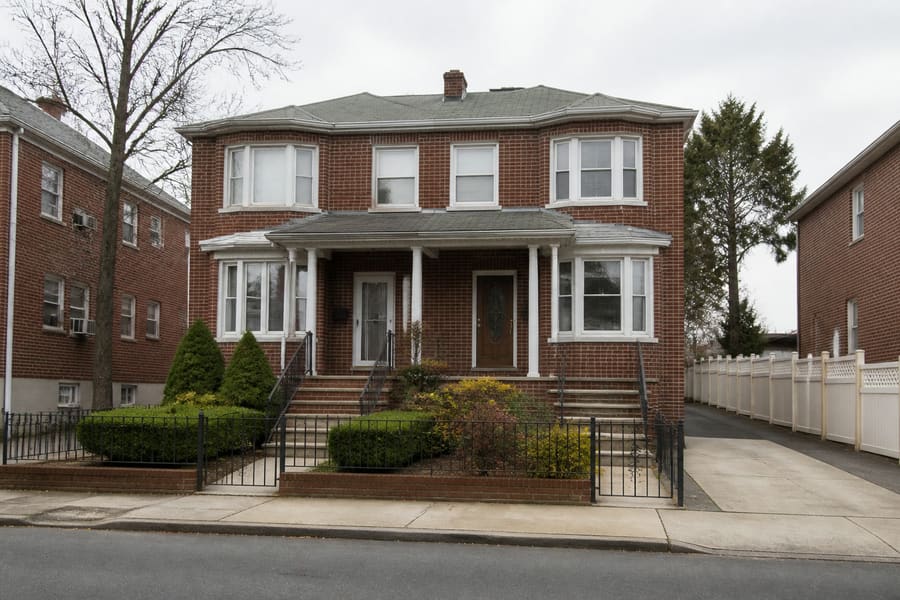
Across eastern and southern Queens, and in the row house belt around Ridgewood and Middle Village. Oak strip over joists, room to work, your own schedule, and nobody to ask for permission.
A new condo
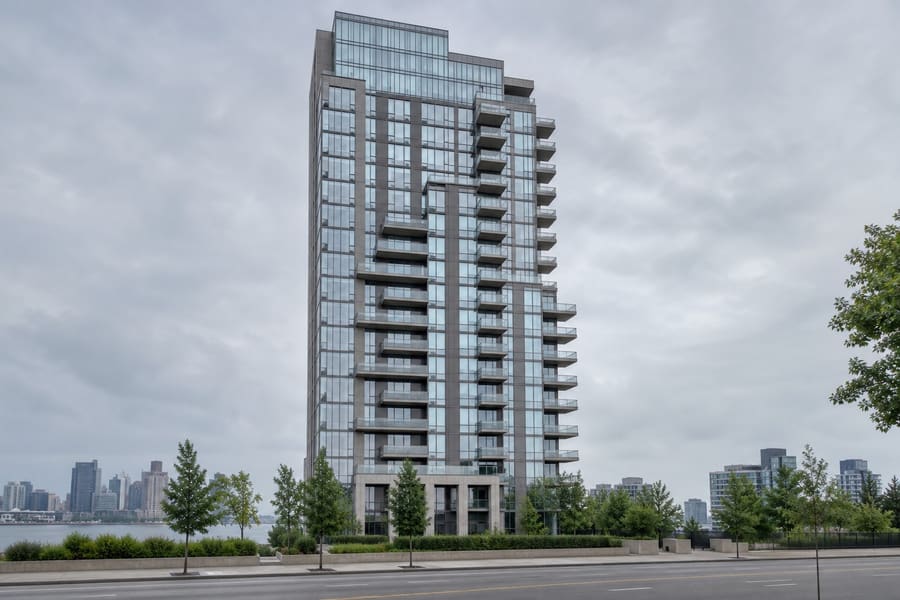
Long Island City, the Astoria waterfront and downtown Flushing. Concrete slab underneath, which decides the product, plus building rules on hours, elevators and underlayment.
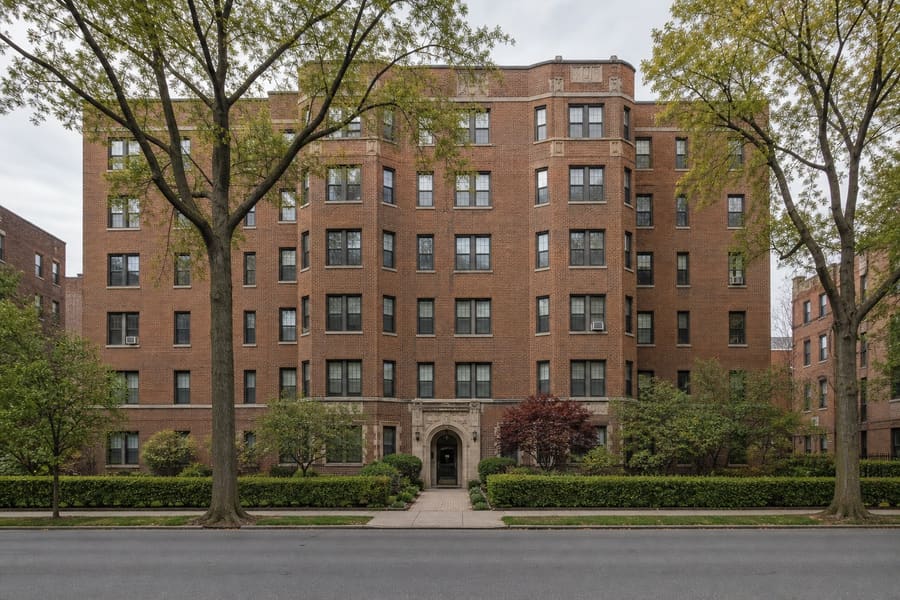
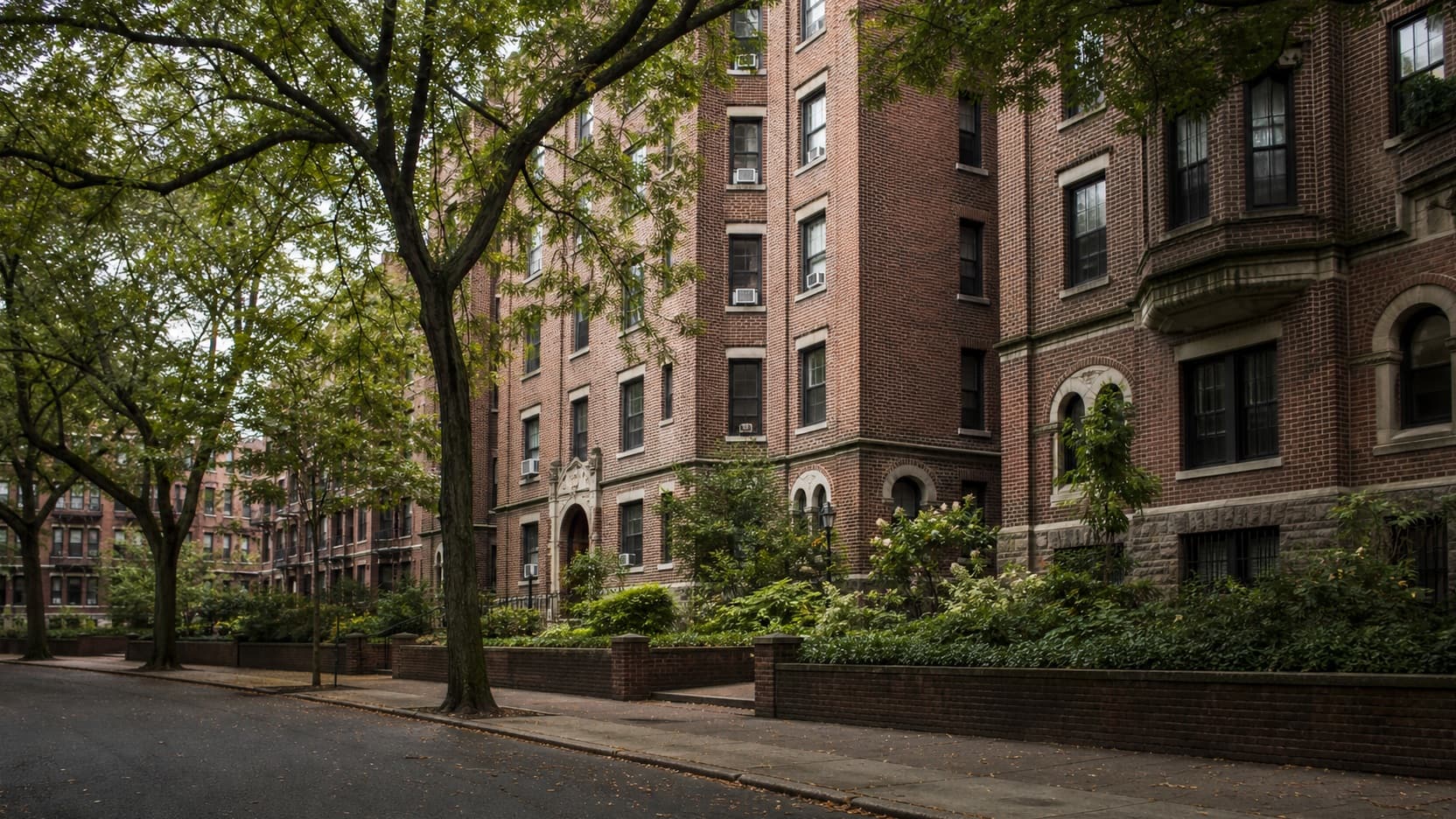
If you are in a co-op
This is the most common case in Queens and the one with the most moving parts. None of it is difficult, but all of it takes time, and time is what surprises people.
The building has to approve the work. That normally means an alteration agreement signed between you and the corporation, setting out what is being done. Alongside it, buildings ask for a certificate of insurance naming the corporation and the managing agent as additional insureds. Managing agents work on their own schedule, so this is the part that moves a start date, and it is why we get it in front of them early rather than the week before.
The building will also set the hours. New York City permits construction on weekdays between 7am and 6pm, and anything outside that, including any weekend work, requires an after hours variance from the Department of Buildings. Most buildings narrow that further in their own house rules. Whatever yours says, we work to it.
Then there is the practical side. A freight elevator usually has to be booked. Lobbies and common corridors get protected. Some buildings want notice given to neighbours. We handle the parts that are ours and tell you clearly which parts are yours.
The rug rule, before you spend anything
This one catches people out, and it is worth knowing before you commit to a floor rather than after.
Many New York City co-op leases and house rules require that rugs or carpet cover at least 80 percent of the floor area of each room, usually excluding kitchens, bathrooms, pantries and hallways. The reason is noise, because one shareholder's floor is the ceiling of the shareholder below.
It is not a city law. There is no municipal carpet ordinance. It is a lease clause and a house rule, and courts have upheld co-ops enforcing it.
It also still applies after new floors go in. Putting down beautiful wood does not create an exemption, and people do sometimes discover this having just paid to expose a floor they are then required to cover most of.
Check your own house rules before you decide. If your building has the requirement, it does not mean do not do the work, and a floor still shows at its edges and through open areas. It does mean the plan is worth making with that in mind.
Parquet over concrete, and what it means for you
The prewar and mid-century apartment buildings across Queens are largely parquet floors. The garden co-ops in Jackson Heights have had them since the 1910s and 1920s, and most of the neighbourhood is now a designated historic district. Sunnyside Gardens, built between 1924 and 1928 as the first garden city attempt in the country, has been a designated district since 2007. The same original floors run through Forest Hills, Rego Park, Kew Gardens, Kew Gardens Hills and Fresh Meadows.
Two things follow from that, and they change what we would recommend.
The first is that parquet is sanded differently. The grain runs several ways within the same square, so the machine is worked at an angle to the pattern and the finer passes clean up the coarser ones. Done the way a strip floor is done, it tears.
The second matters more. A lot of this parquet is thin, and much of it is glued down over a concrete slab rather than nailed over joists. Every sanding takes wood off permanently, and many of these floors have already had one or two. There is a point where the next one goes through.
So in a Queens co-op we check what is left before recommending a sand. If your floor is close to its limit, a buff and recoat keeps it looking cared for and keeps its remaining life intact. That is not us selling you the smaller job. It is the difference between having this floor in twenty years and not.
Not sure what your building will ask for? Tell us where you are and we will tell you what to expect.
Call (929) 693-6422If you are in a house
Across Bayside, Whitestone, Douglaston, Little Neck, Jamaica, Queens Village, Bellerose and the southeast Queens neighbourhoods, and through the attached houses of Richmond Hill, Woodhaven and Ozone Park, the picture is simpler.
You decide. There is no board, no alteration agreement, no certificate of insurance to file with a managing agent and no house rules about hours beyond the city's own. Work can be scheduled around your life rather than around a building's calendar.
The floors are usually strip flooring over joists, which means more wood above the tongue and more sandings left than an apartment parquet. Stairs and landings come into it more often, and those are hand work.
The practical advantage is that a house can be done room by room, so you have somewhere to live throughout. It takes longer overall and it is a great deal easier to live with.
In the Rockaways and Broad Channel there is one extra step. A lot of that housing was rebuilt or raised after 2012, and the first thing worth establishing there is the subfloor and its moisture condition, because that decides what can safely go down.
If you are in a new condo
In the towers along the Long Island City and Astoria waterfront, and in the newer downtown Flushing buildings, the structure decides the product before anyone talks about wood.
These buildings are concrete. There is nothing to nail into, and concrete carries moisture, so solid wood is not the right answer without building a subfloor over the slab first. Engineered wood, glued or floated over the correct barrier, is what belongs there, and a good engineered board is not a compromise.
Long Island City is condos rather than co-ops, which usually means lighter approval than a co-op board. It does not mean no rules. New buildings are often stricter about freight elevator booking, protection of common areas and working hours than older ones, and many have a specific requirement about acoustic underlayment because footfall through a slab is exactly what the neighbours below will notice.
We check what your building specifies before ordering anything, because a floor bought without that conversation is sometimes a floor that cannot be fitted.
Tell us your building and the rooms, and we will tell you what the work involves and what your board is likely to ask for.
Call (929) 693-6422Questions about working in your building
Do I need co-op or condo board approval before floor work?
In a co-op, almost always. Expect an alteration agreement and a certificate of insurance naming the corporation and the managing agent, and expect the building to set the working hours.
In a condo it is often lighter, but newer buildings frequently have their own rules about hours, elevator access and underlayment. Either way it is worth asking the managing agent early, because that step sets your start date rather than the work does.
Do I have to put rugs over a new floor in a co-op?
Many buildings require it. The common rule is rugs or carpet over at least 80 percent of each room, usually excluding kitchens, bathrooms, pantries and hallways.
It is a house rule and a lease clause rather than a city law, and it applies after new floors go in as well as before. Your own house rules are the place to check what your building requires.
What hours can floor work happen in a New York City building?
The city permits construction on weekdays between 7am and 6pm. Work outside that, including all weekend work, needs an after hours variance approved by the Department of Buildings.
Buildings commonly set a narrower window in their own rules, and a co-op will normally tell you its hours when it approves the work.
Why would you recommend a recoat instead of refinishing my floor?
Because a lot of Queens parquet is thin and has already been sanded before, and there is a limit to how many times any floor can be taken back to bare wood.
If your floor is near that limit, a recoat renews the surface without spending any of what is left. It costs less and takes a day, and it keeps the option of a full refinish for when the floor genuinely needs one.
Do you work in the whole borough?
Yes, across all of Queens.
Flooring Masters also works in Manhattan, the Bronx, Brooklyn and Staten Island, so if your job is outside the borough we can still help.
Can you work around my building's schedule?
Yes. Buildings set their hours and we plan the job around them rather than the other way round.
It is worth telling us the hours and the elevator arrangement when you first get in touch, because both affect how long the work takes and we would rather build them into the plan than discover them on day one.
Now that you know your building
The work most likely to be the right answer for it.
Hardwood floor refinishing
Taking a worn floor back to bare wood, parquet included.
Buff and recoat
The one day option for a co-op floor that should not be sanded again.
Hardwood floor installation
A new floor, and what a concrete slab means for the choice.
Tell us where you are
The building type, the rooms and how the floor looks now. We will tell you what the work involves and what your building is likely to ask for.