
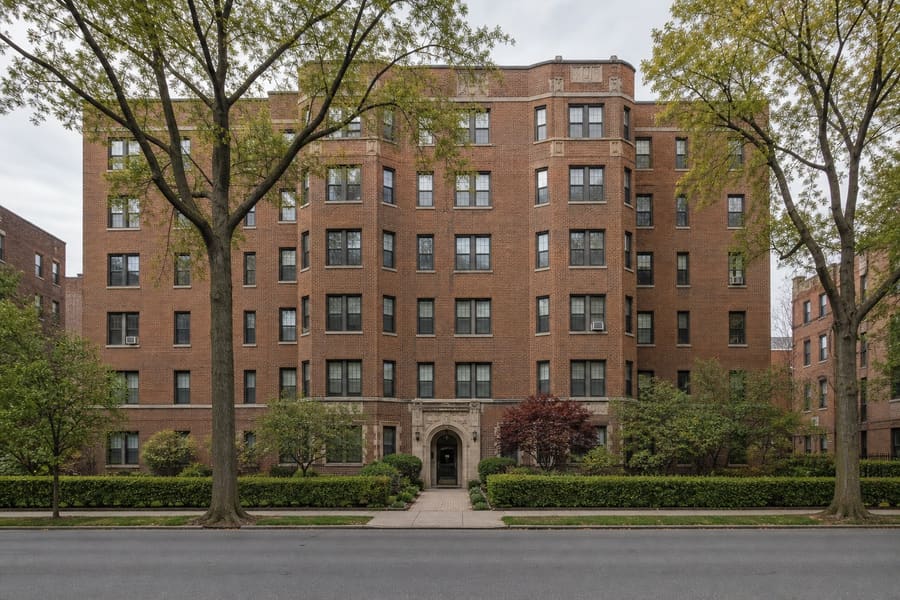
Prewar and mid-century co-ops
Jackson Heights, Sunnyside, Forest Hills, Rego Park, Kew Gardens, Fresh Meadows. Original parquet, board approval, set working hours and a freight elevator to book.
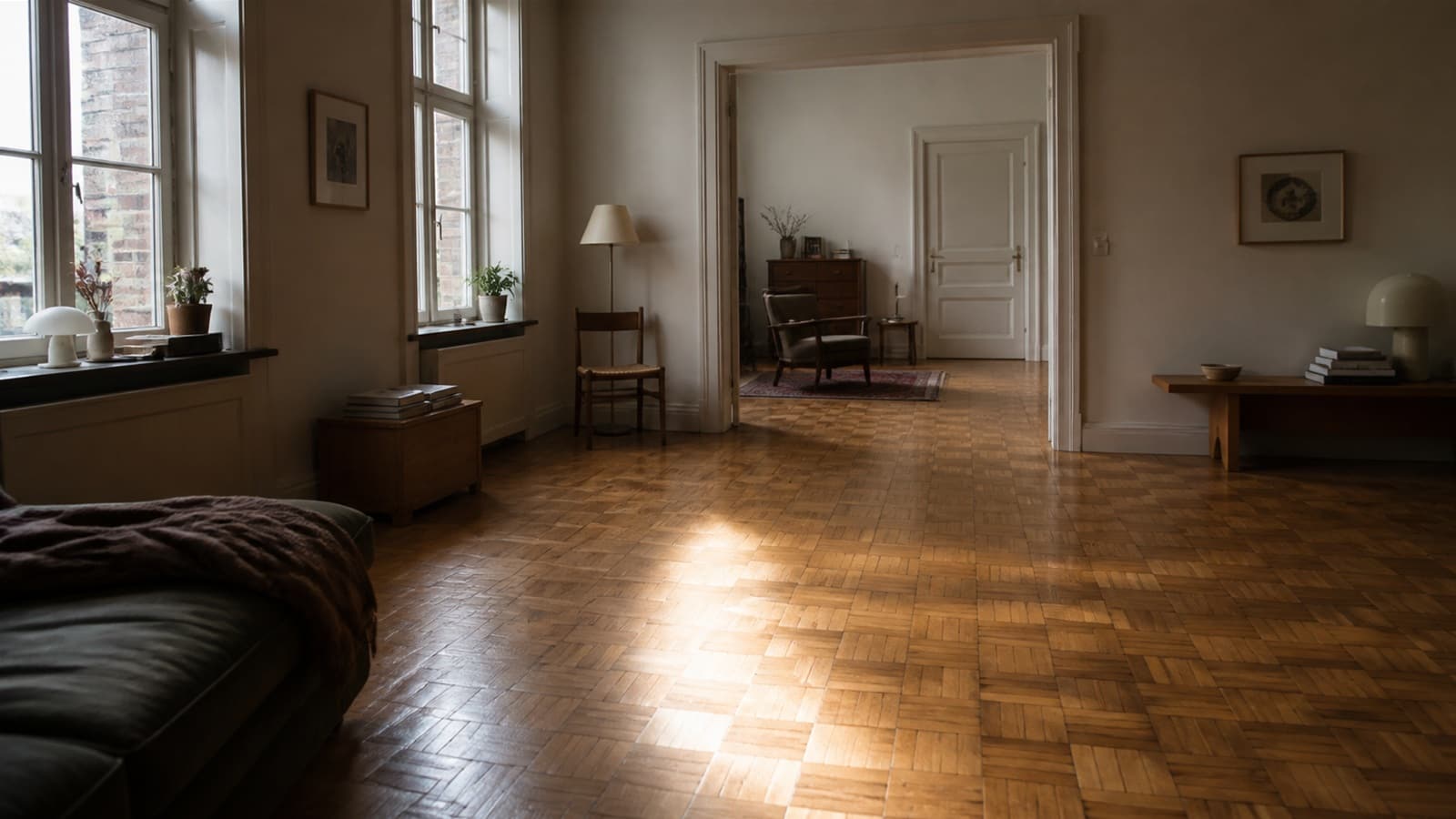
Flooring Masters works on wood floors across Queens, in co-op apartments, attached houses and new condo buildings alike. Tell us about your floor and we will tell you what it actually needs.
A name, a number and a line about the room is enough to start.
Most flooring sites make you call to find any of this out. Here it is.
Square footage sets the floor and condition sets the rest. A floor that only needs sanding and coating costs less per foot than one carrying water damage, deep gouges or boards that have to come out first. Stairs, closets and tight rooms cost more per foot than open space because the machines cannot reach and the work goes back to hand tools. Stain adds a day and a step. We measure and look before we quote a number.
A recoat is usually one day. A full refinish on an average apartment is three to five days from first sand to last coat. A new floor depends on whether the old one comes up and what is under it. The finish then needs time before rugs go back down, and that is the part people plan badly, so we tell you the date before we start rather than on the last day.
Sanding makes dust. What matters is where it goes. We run machines connected to vacuum extraction, seal the doorways to rooms we are not working in, and cover what stays in the room. You will still want to wipe surfaces afterwards. Anyone who tells you a sanding job leaves no dust at all has not done one.
Often yes for a recoat, and it depends for a full refinish. The room being coated is out of use until it is walked on safely, and the smell of the finish is real for the first day. In a one bedroom apartment with the floor being done throughout, most people go elsewhere for a couple of nights. In a house you can usually work around it room by room.
Six kinds of work. The first thing to get right is which one your floor actually needs.
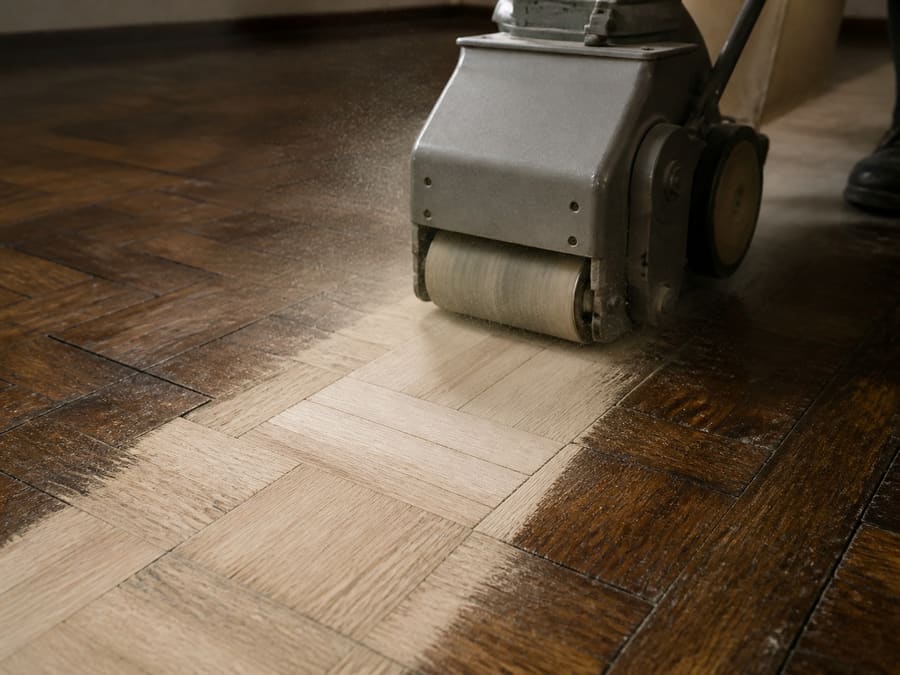
Sanding a tired floor back to bare wood and building a new finish on it. Parquet included, which in Queens is most of it.
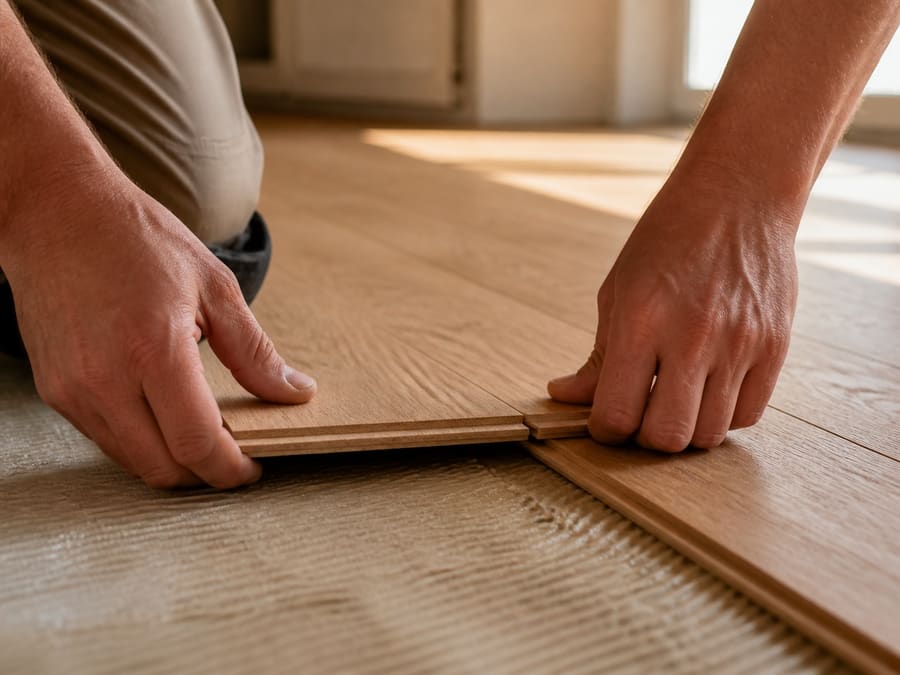
A new wood floor, solid or engineered, decided from the subfloor up rather than from a catalogue.
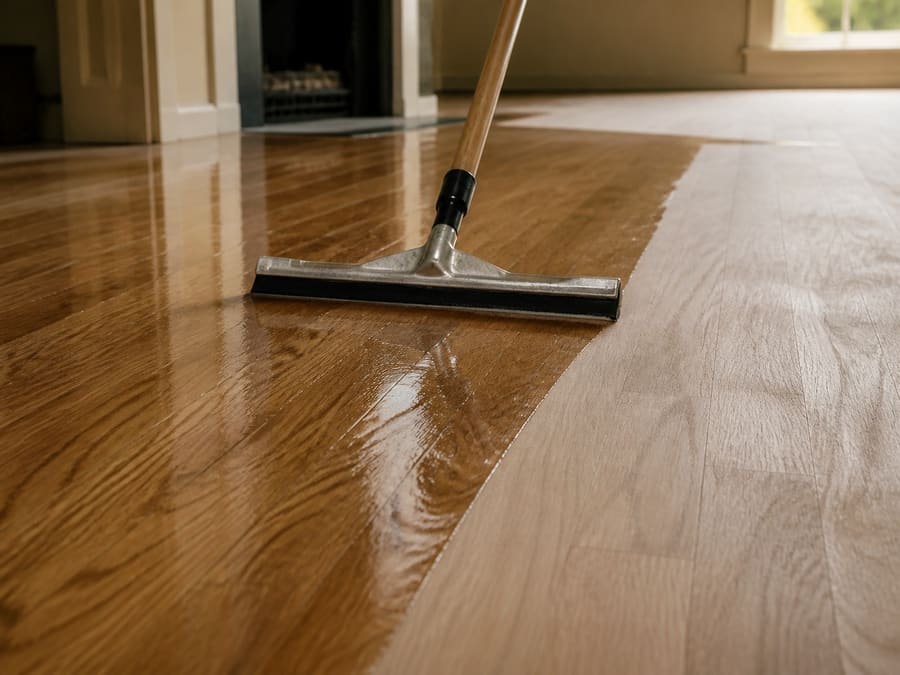
A fresh coat of finish with no sanding at all. One day, and often the right answer for old parquet.
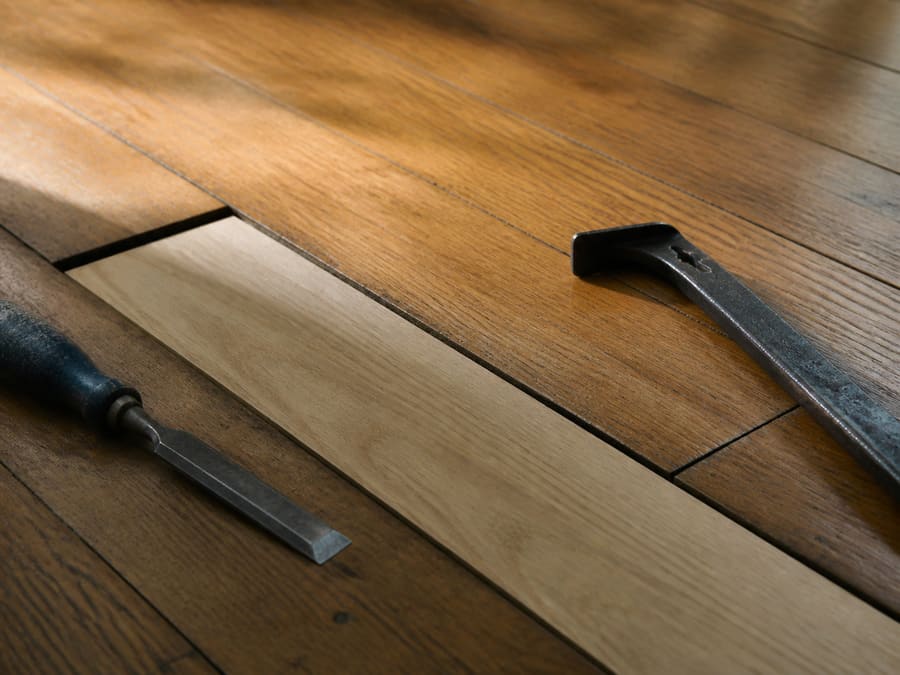
Water damage, gouges, loose boards, gaps and squeaks. Usually a patch rather than a whole new floor.
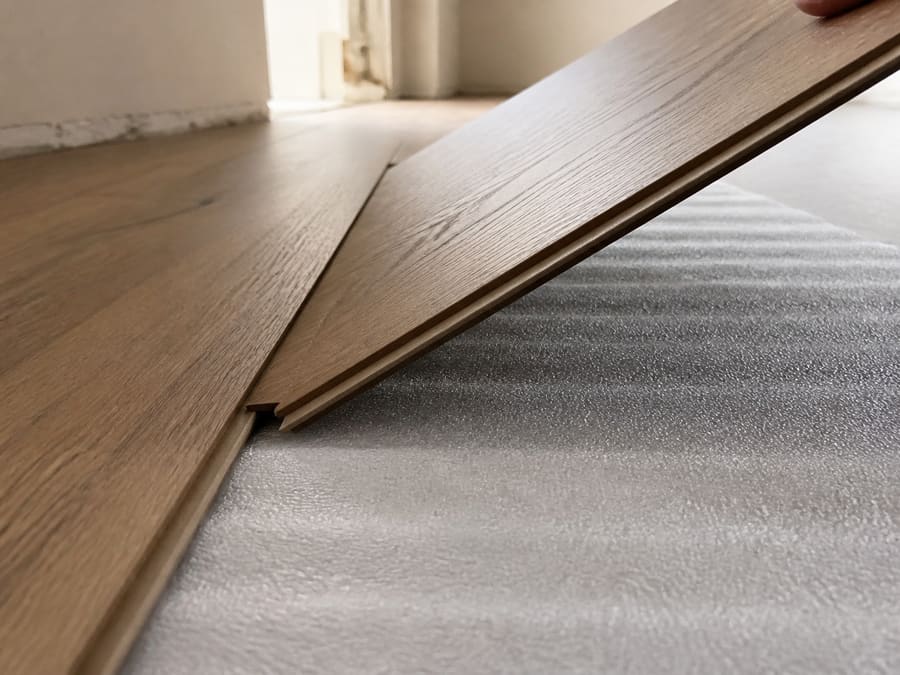
A hard wearing floor that goes down fast, and often straight over what is already there.
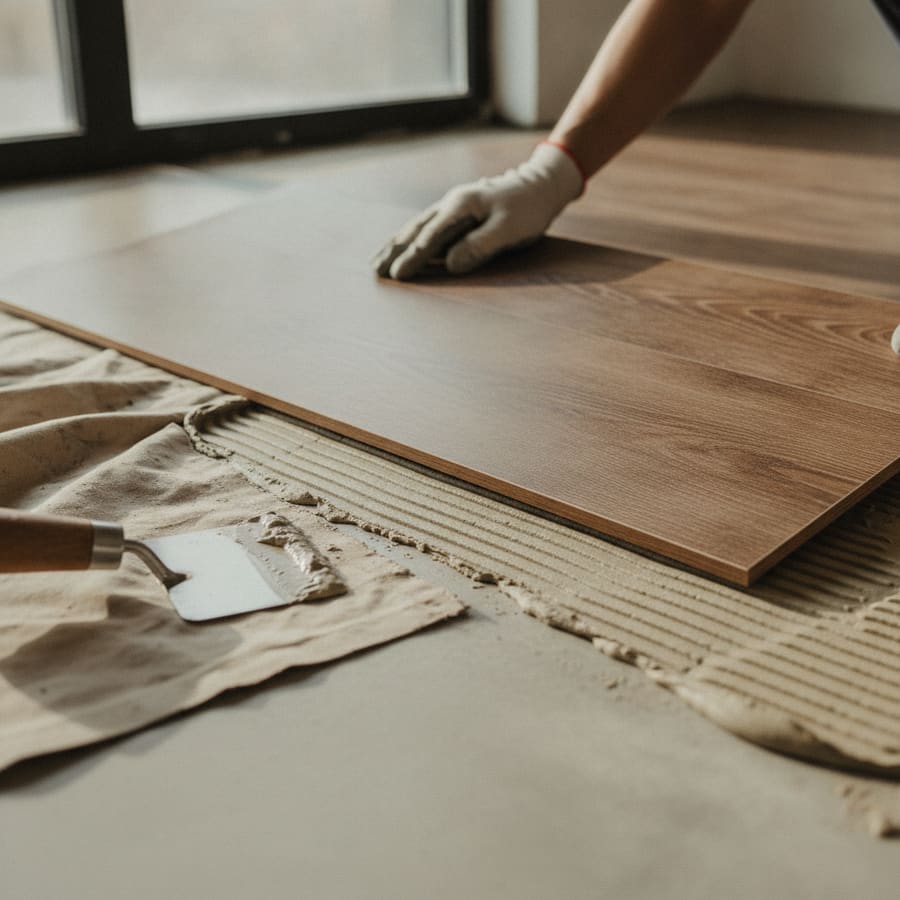
For kitchens, bathrooms, basements and anywhere water rules real wood out.
Queens is a co-op borough. Most apartments here are co-ops, far more than in Brooklyn or Manhattan, and that changes a floor job before anyone picks up a sander.
In a co-op the building has to approve the work. That usually means an alteration agreement and a certificate of insurance naming the corporation and the managing agent. Buildings set their own working hours, and many require rugs over most of the floor once it is finished, which catches people out after they have paid to expose the wood.
The floors themselves are different too. A lot of the prewar and mid-century stock is original parquet laid over concrete, with only so much wood above the tongue. That is why a recoat is sometimes the right call here when a full sand would be the answer somewhere else.
In a house nobody has to approve anything and the answer is usually simpler. We work in both, and we tell you which one you are in before you commit to anything.
Where you live in Queens matters less than what you live in.
Jackson Heights, Sunnyside, Forest Hills, Rego Park, Kew Gardens, Fresh Meadows. Original parquet, board approval, set working hours and a freight elevator to book.
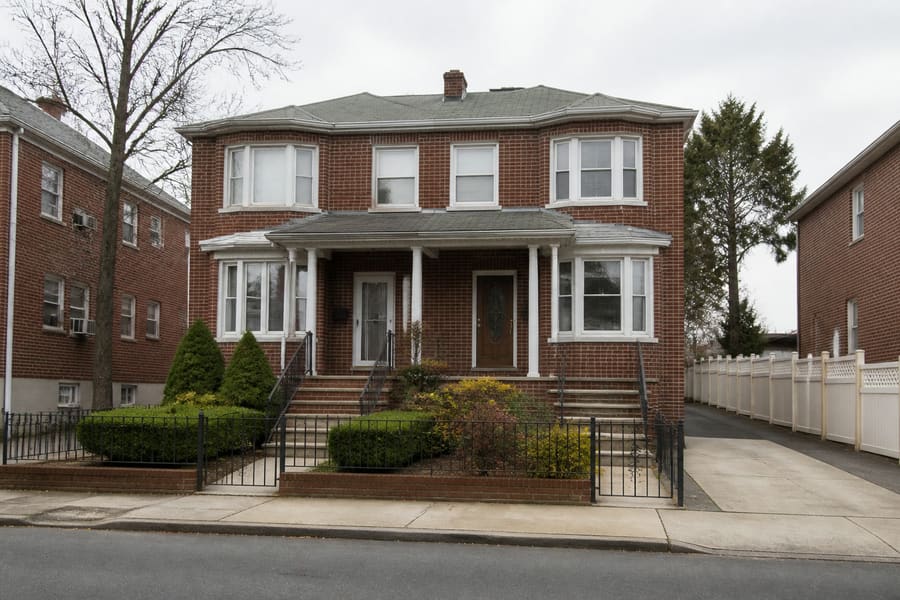
Bayside, Whitestone, Jamaica, Queens Village, Richmond Hill, Middle Village. Oak strip over joists, more room to work, and nobody to ask.
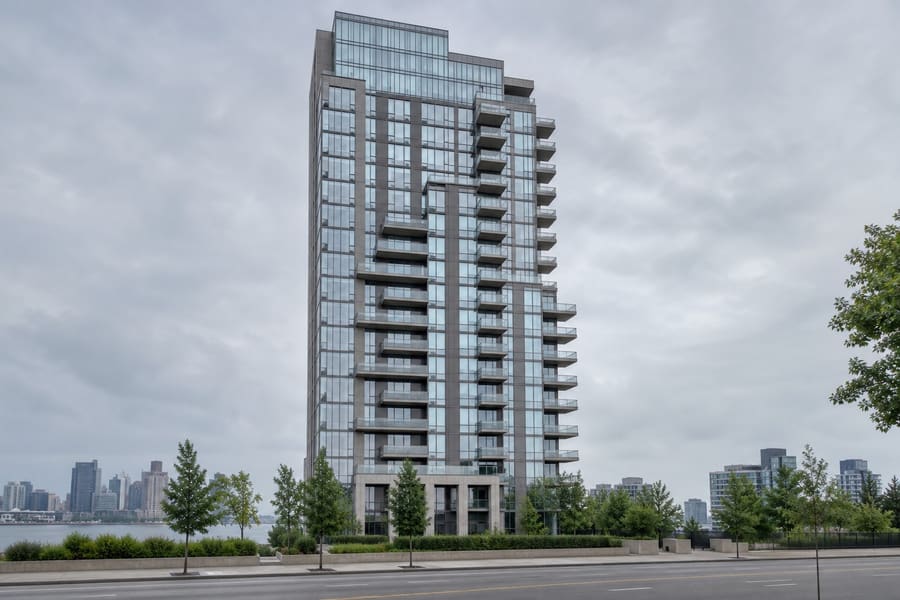
Long Island City, the Astoria waterfront, downtown Flushing. Engineered wood over concrete, and building rules on hours and elevator access.
Not sure whether your floor needs a refinish or just a recoat? Send a photo and we will tell you.
Call (929) 693-6422You send us the rooms, roughly the area, and what the floor looks like now. A photo helps more than a paragraph.
We come back with what we think it needs and what that involves. If a cheaper option would do the job, we say so then, not after you have booked the expensive one.
We look at the floor in person before any number is final. Condition under an old finish is not something anyone can judge from a photograph, and a quote given without looking is a quote that changes later.
If you are in a co-op or a condo, we work to your building's hours and get the paperwork it asks for in front of the managing agent early, because that is the part that delays jobs.
The same wood floor work in every borough, and a page for each one.
Prewar co-ops and condos, elevator buildings and walk-ups, where board approval and building hours shape the schedule.
Apartment blocks, two and three family houses, and parquet floors that often have more life in them than people expect.
Brownstones and row houses with original boards, alongside new build condos with engineered floors over concrete.
Mostly detached houses, which usually means easier access, fewer building rules and more floor area at once.
What a floor job costs, what your building asks for before it starts, and the whole picture in one place.
Send the rooms, the rough area and how the floor looks now. You will get a straight answer on what the work involves and what drives the cost.